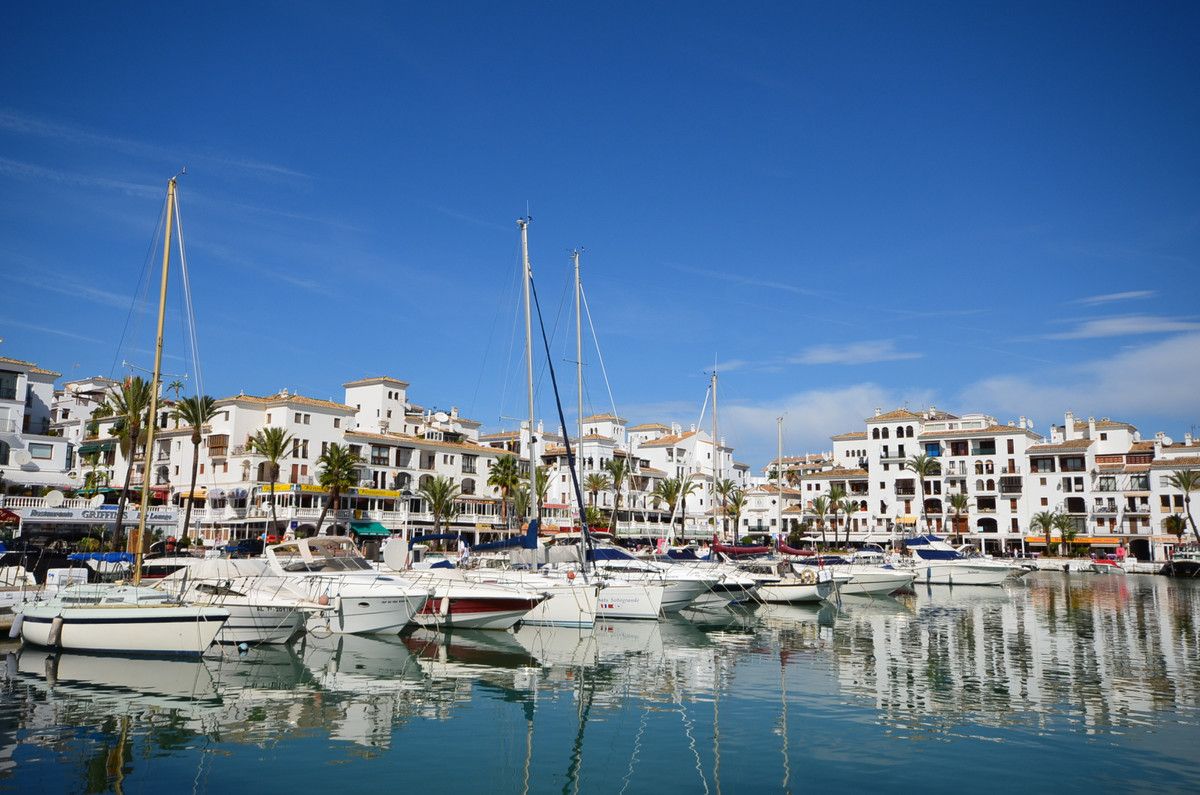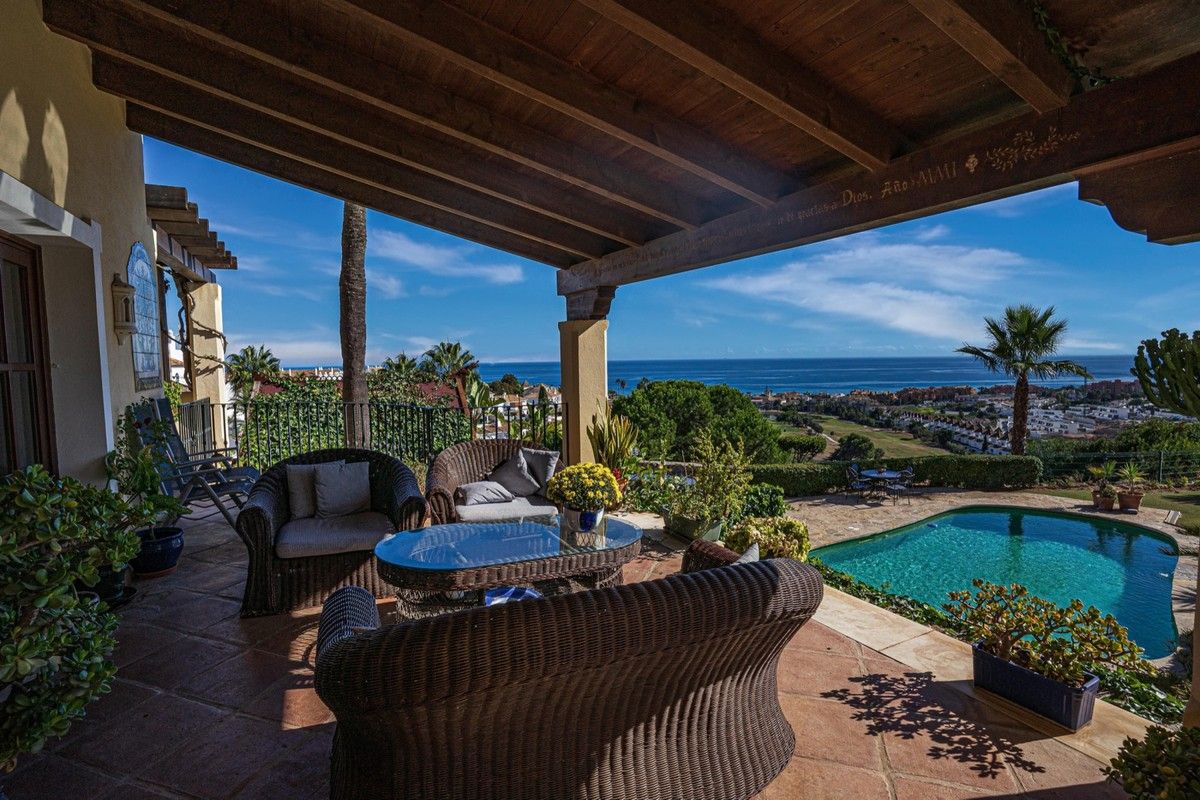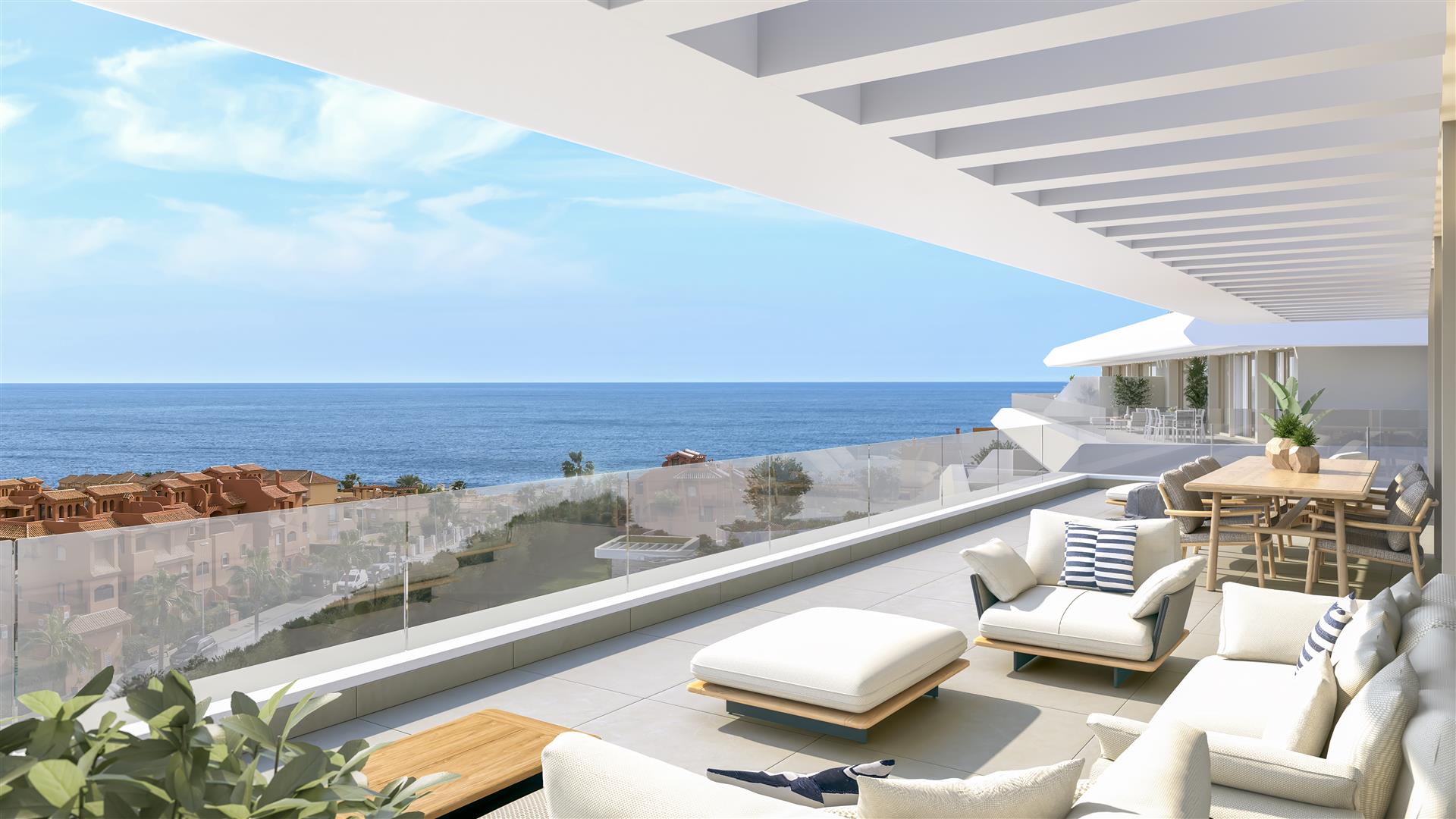
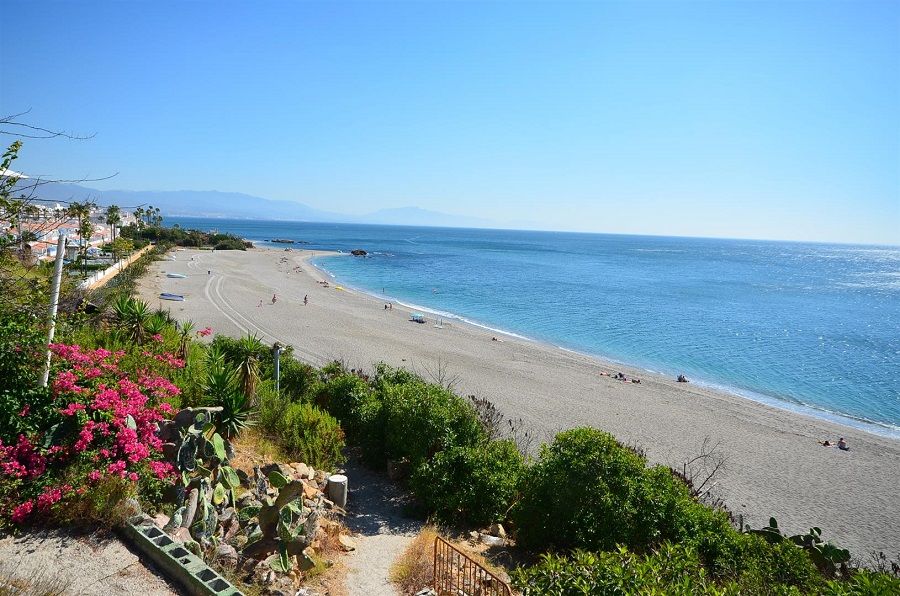
Selling a property on the Costa del Sol is an exciting opportunity, but it also involves important decisions. Whether you own an apartment in La Duquesa, a villa in Manilva, a townhouse in Casares Costa or a luxury home in Sotogrande, understanding the selling process can help you achieve the best possible price while avoiding unnecessary delays and costs. The Costa del Sol remains one of Europe's most desirable property markets, attracting buyers from the United Kingdom, Ireland, Scandinavia, Germany, the Netherlands, Belgium, France, North America and many other countries. With international demand continuing to grow, sellers who prepare their property correctly and work with an experienced local estate agent are often in the strongest position. This guide explains every step of selling your property in Spain, from preparing your home and setting the right asking price to signing the title deed at the notary.
Why the Costa del Sol Continues to Attract Buyers
The Costa del Sol offers over 300 days of sunshine each year, beautiful beaches, world-class golf courses, modern infrastructure, excellent healthcare and easy access through Málaga and Gibraltar airports. Many buyers are looking for:
Holiday homes
Permanent residences
Retirement properties
Rental investments
Luxury villas
Beachfront apartments
The international nature of the market means your property needs exposure to buyers across many different countries, not only Spain.
Step 1: Choose the Right Estate Agent
One of the most important decisions you will make is selecting the right estate agent. A professional local agency should provide:
Accurate market valuation
Professional photography
Video tours
International marketing
Social media promotion
Cooperation with other agencies
Qualified buyer screening
Negotiation support
Assistance through the legal process
Communication in multiple languages
Choosing an agent with strong local knowledge and an international network can significantly increase your property's visibility.
Step 2: Determine the Correct Asking Price
Pricing is one of the biggest factors affecting how quickly your property sells. Setting the price too high can reduce interest and cause your property to remain on the market for longer. Buyers often overlook overpriced properties, even if they eventually receive price reductions. A realistic asking price is based on:
Recent comparable sales
Property condition
Location
Views
Outdoor space
Community facilities
Market demand
Current competition
A professional market valuation provides a much stronger starting point than relying solely on online estimates.
Step 3: Prepare Your Property for Sale
First impressions matter. Simple improvements can make a significant difference to both buyer interest and the final selling price. Before photography and viewings:
Deep clean the property
Remove unnecessary personal items
Repair minor defects
Touch up paint where needed
Improve outdoor areas
Ensure good lighting
Present terraces and gardens attractively
Buyers often decide how they feel about a property within the first few minutes.
Step 4: Invest in Professional Photography and Video
The majority of buyers begin their search online. Professional photography can dramatically increase the number of enquiries compared with poor-quality mobile phone images. Many buyers also appreciate:
Walk-through videos
Drone photography (where appropriate)
Floor plans
Virtual tours
High-quality marketing materials create a stronger first impression and help your property stand out.
Step 5: Prepare the Required Documentation
Having the correct documentation ready helps prevent delays once a buyer is found. Common documents include:
Title Deed (Escritura)
Nota Simple
Energy Performance Certificate (CEE)
Latest IBI receipt
Community fee receipts
Identification documents
Utility bills
First Occupation Licence (where applicable)
Additional documentation may be required depending on the property's age and location.
Step 6: Understand the Costs of Selling
Every seller should understand the costs involved before accepting an offer. Typical expenses may include:
Estate agency commission
Capital Gains Tax (where applicable)
Municipal Plusvalía Tax
Legal representation
Energy certificate
Mortgage cancellation costs (if applicable)
The exact costs vary depending on your individual circumstances, residency status and the property's purchase history.
Step 7: Marketing Your Property
Successful property sales rely on maximum exposure. Effective marketing includes:
Major property portals
International websites
Google search visibility
Social media campaigns
YouTube property videos
Email newsletters
Buyer databases
International agent networks
The wider your property's exposure, the greater the chance of attracting the right buyer.
Step 8: Property Viewings
Viewings should be carefully organised to highlight your property's strengths. During viewings:
Open curtains and blinds
Keep the property tidy
Maintain a comfortable temperature
Minimise distractions
Allow buyers time to explore
Professional agents can answer questions immediately and present the property in the best possible way.
Step 9: Negotiating Offers
Receiving an offer does not always mean the sale is complete. Your estate agent should help you evaluate:
Purchase price
Deposit amount
Completion timeframe
Mortgage conditions
Included furniture
Special conditions
An experienced negotiator often achieves a better overall outcome than simply accepting the first offer.
Step 10: Reservation Agreement
Once both parties agree on the price, a reservation agreement is usually signed. This normally includes:
Purchase price
Deposit
Completion deadline
Buyer and seller details
Conditions of the agreement
The reservation removes the property from the market while the legal process begins.
Step 11: Legal Checks
The buyer's lawyer normally carries out legal due diligence. These checks may include:
Ownership verification
Outstanding debts
Community fees
Planning compliance
Registry information
Licences
Utility status
Resolving any issues early helps avoid delays later.
Step 12: Completion at the Notary
The final stage takes place at the notary's office. At completion:
Final payment is made
Ownership transfers
Keys are handed over
Taxes and registrations begin
Your lawyer and estate agent normally coordinate the process to ensure everything runs smoothly.
Selling as a Non-Resident
Many Costa del Sol property owners live outside Spain. If you are a non-resident, additional tax rules may apply, including:
3% buyer retention
Capital Gains Tax
Tax declarations
Fiscal representation in some circumstances
Obtaining professional advice before selling helps avoid unexpected tax issues.
Why Professional Marketing Makes a Difference
Today's buyers often discover properties online long before arranging a viewing. Professional marketing can include:
International advertising
Google optimisation
Professional photography
Video production
Social media advertising
Email campaigns
International buyer databases
Collaboration with hundreds of estate agencies
The more qualified buyers who see your property, the stronger your chances of achieving an excellent sale price.
Why Choose Enova Estates?
At Enova Estates, we have been helping buyers and sellers on the Costa del Sol since 2011. Our experienced multilingual team combines local market knowledge with international marketing to give your property maximum exposure. We offer:
Free property valuations
Professional photography and video
International marketing campaigns
Extensive buyer database
Cooperation with over 1,000 collaborating estate agents
Guidance throughout the entire sales process
Assistance in multiple languages including English, Spanish, Swedish, Norwegian and German
Whether you are selling a holiday apartment in La Duquesa, a family villa in Manilva or a luxury property in Sotogrande, our goal is to make the process as straightforward and successful as possible.
Frequently Asked Questions
How long does it take to sell a property on the Costa del Sol?
Every property is different, but realistically priced homes in desirable locations often attract serious interest much faster than overpriced properties.
Can I sell my property while living abroad?
Yes. Many sellers complete the entire transaction without travelling to Spain by granting a Power of Attorney to their solicitor.
Should I renovate before selling?
Not always. Minor cosmetic improvements often provide a better return than expensive renovations.
What is the biggest mistake sellers make?
Overpricing the property. A realistic asking price usually generates more interest and can ultimately lead to a better sale outcome.
Ready to Sell Your Property?
If you are considering selling your apartment, villa or townhouse on the Costa del Sol, the first step is obtaining an accurate market valuation from an experienced local estate agent. At Enova Estates, we provide honest advice, professional marketing and personalised support throughout the entire selling process. Contact our team today for a free, no-obligation property valuation and discover how we can help you achieve the best possible result.